OrbitinPACE 🌌
Learn the PACE of the Space with AI 🛰—Transform NASA’s data into stories that light up classrooms! 🚀 Dive into oceans, decode clouds, and explore Earth’s atmosphere in a way that’s never been seen before.
Decode the Data. Ignite Curiosity. Build Ocean Literacy 🌍
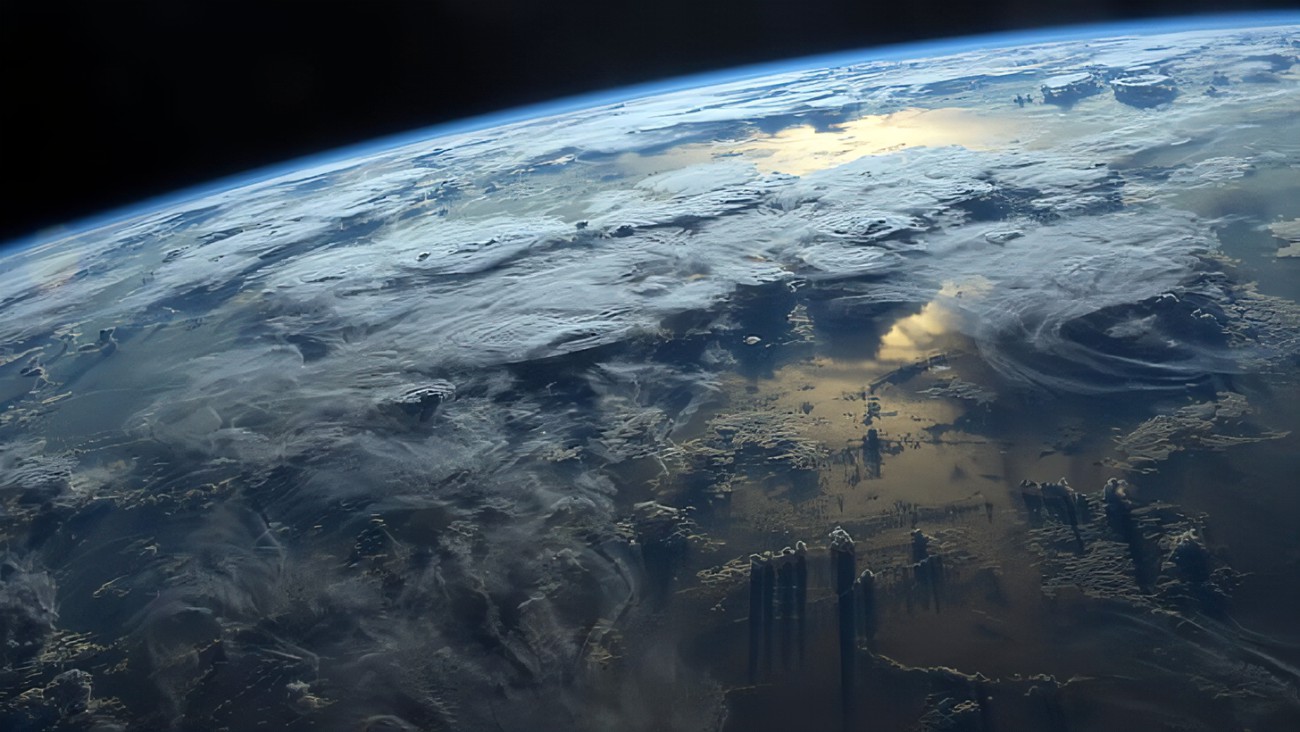
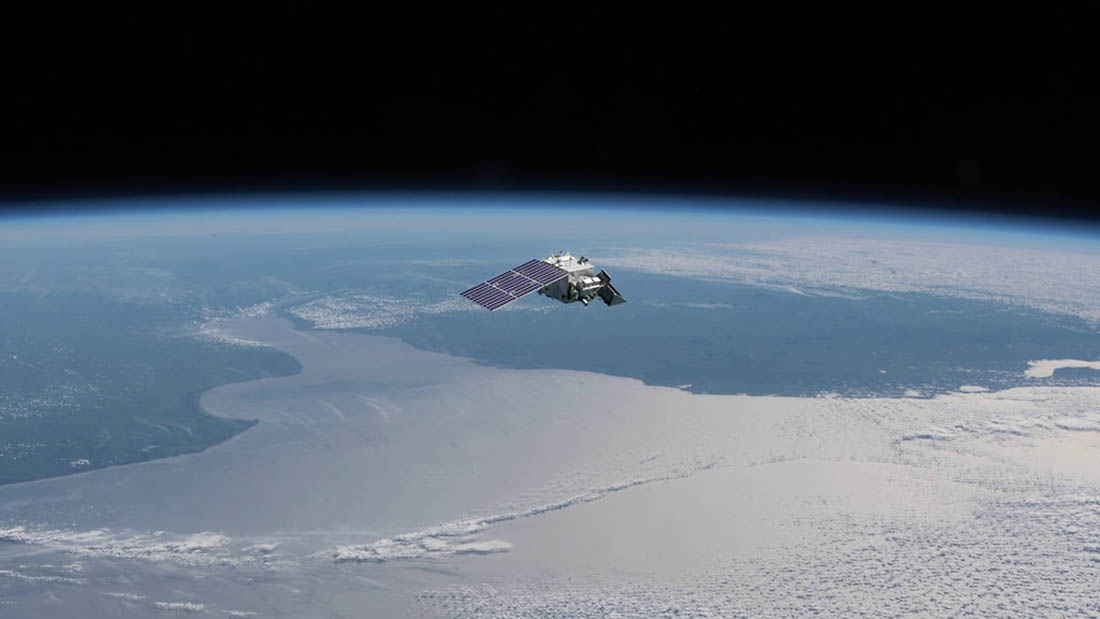
🌐 NASA PACE 101: What’s This All About?
NASA's PACE mission is an advanced satellite project that helps us monitor the health of Earth’s oceans and atmosphere. With cutting-edge technology, we explore how tiny particles (aerosols) and colorful marine phytoplankton impact our climate and ecosystems. The mission offers crucial data to understand our planet’s well-being and to protect it for future generations. 🌍
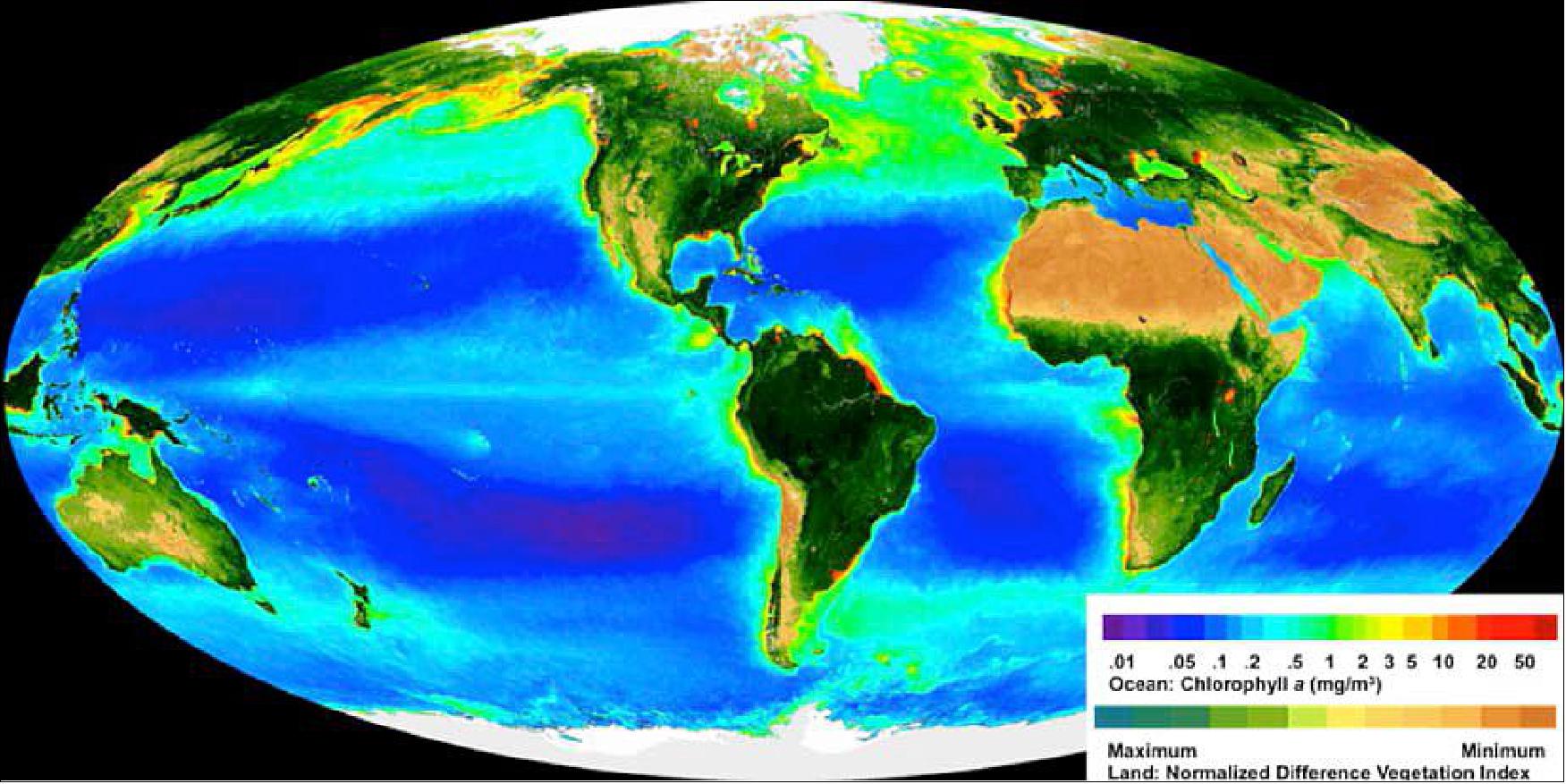
📊 How Does NASA PACE Collect Data?
Explore this infographic to see how NASA's PACE satellite observes Earth's atmosphere and oceans from space, providing critical data for our planet's future.
🛰 NASA PACE Space Gallery
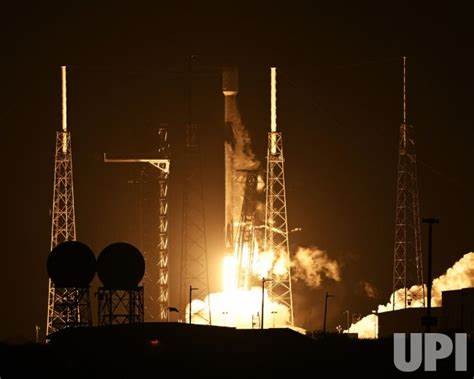
PACE Satellite Launch 🚀
Observing Earth from Space 🌍
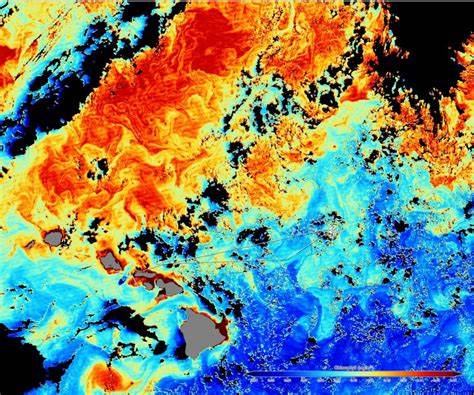
Collecting Ocean Data 🌊
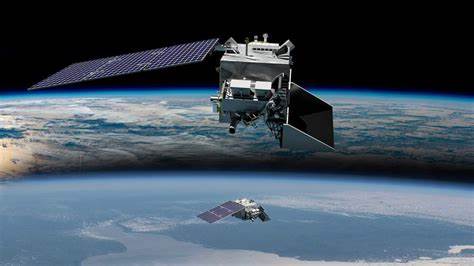
Atmospheric Observations ☁
Cool Ocean & NASA PACE Facts 🌊🛰
Did You Know?
The ocean covers over 70% of the Earth's surface and produces over half of the world's oxygen. NASA's PACE mission helps us track ocean health from space!
NASA’s PACE satellite helps scientists predict climate change by tracking the ocean's carbon cycle from space!
Amazing Ocean Life
The ocean is home to millions of species, and plankton play a key role in regulating the planet’s climate. NASA PACE studies them from space to understand their global impact.
Plankton absorb as much CO₂ as all the forests on land combined. PACE tracks these "tiny climate heroes" from orbit!
The Deep Blue
The Mariana Trench is the deepest point on Earth, but ocean mysteries aren't limited to the deep. NASA PACE uncovers secrets in ocean chemistry and color from above!
PACE's sensors can detect harmful algal blooms from space, helping protect both marine life and human health.
Colorful Oceans
The ocean can appear blue, green, or even red, depending on what's in the water. NASA PACE studies these changes to monitor the health of marine ecosystems from orbit.
By tracking ocean color changes, PACE helps scientists study pollution and coral reef bleaching. 🌊✨
NASA PACE & You
NASA’s PACE mission offers opportunities for students to get involved. From tracking aerosols to studying plankton’s role in climate, there's a role for young scientists!
Explore free NASA resources and citizen science projects to start contributing to real-world research today! 🌍🚀
🌌 Ask AI for Learning & Help 🤖💫
🚀 SpaceBot 🌌
Ask me anything about NASA PACE, oceans, or space science!